












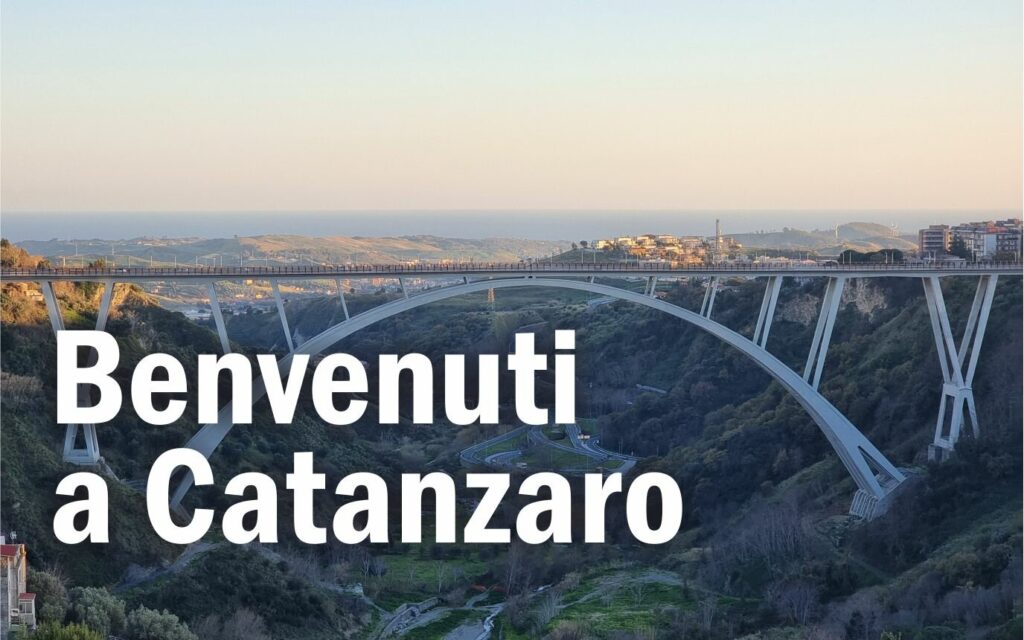
Benvenuti a Catanzaro, dove nacque il nome ITALIA!


Il nome Italia, secondo quanto riportano gli storici, deriva dal vocabolo Italòi, termine con il quale gli antichi greci designavano i Vituli, una popolazione che abitava nella punta estrema della nostra penisola, nella sua parte più stretta, nei pressi dell’odierna Catanzaro.
Fino all’inizio del V secolo a.C. con il nome Italia si indicò solo l’attuale Calabria, in un secondo tempo, il nome fu esteso a tutta la parte meridionale della penisola. Nel corso del IV Sec. a.C. il nome d’Italia si estese sino alla Toscana. Quando poi, nei primi decennî del sec. III a. C. tutta la penisola, dall’Arno allo Stretto di Messina, fu amministrativamente e militarmente unificata sotto la dominazione romana, il nome d’Italia abbracciò tutta la penisola nei suoi limiti geografici. La conquista infine del territorio padano e la consapevolezza dell’unità geografica della penisola, fecero sì che, nel corso del sec. II a.C., il nome Italia, pur conservando in senso stretto il significato politico sino al limite toscano del fiume Arno, si allargasse di fatto a tutto il territorio tra le Alpi e i due mari italiani, l’Adriatico e il Tirreno.
Le prime testimonianze su questo uso più esteso del nome Italia, sono in Polibio e in Catone. L’estensione ufficiale del nome a tutta intera la penisola fu compiuta allorché Ottaviano, nel 42 a.C., abolì la provincia Cisalpina creata da Silla e comprese anche l’Italia settentrionale nella sua divisione in regioni. L’unione amministrativa della Sicilia, Sardegna e Corsica, che avevano formato fino allora provincia a sé, all’Italia si ebbe solo con Diocleziano, che comprese le tre isole nella “diocesi italiciana”. Tanti gli scrittori e gli uomini politici che hanno ricordato, nel tempo, le origini del nome Italia: Antioco di Siracusa (V secolo a.C.) a proposito del Brutium, scriveva “l’intiera terra larga centosessanta stadi, fra i due golfi di mari, il Nepetino e lo Scilletinico, fu ridotta sotto il potere di un uomo buono e saggio, che convinse i vicini, gli uni con la parola, gli altri con la forza. Questo uomo si chiamò Italo che denominò per primo questa terra Italia” e ancora Aristotele, nel VII libro della Politica, scrive “divenne Re dell’Enotria un certo Italo, dal quale, cambiando nome, si sarebbero chiamati, Itali invece che Enotri. Si racconta anche che questo Italo abbia trasformato gli Enotri, da nomadi che erano, in agricoltori e che abbia dato loro altre leggi e per primo istituito i sissizi. Per questa ragione, ancora oggi, alcune popolazioni che discendono da lui praticano i sissizi e osservano alcune sue leggi”.
Sempre Aristotele, stessa fonte, “Italo, Re degli Enotri, da lui, in seguito, presero il nome di Itali e Italia l’estrema propaggine delimitata da i due golfi”. Erodoto (V secolo a.C.) grande storico che concepiva la storia come ricerca personale e esplorazione delle altre culture, fu il primo ad usare il nome “Italia” per indicare la parte meridionale della penisola, ovvero l’antico Bruttium abitato dagli Itali: Il Bruttium corrispondeva, geograficamente, all’attuale Calabria centrale, secondo quanto tramandato anche da Dionigi di Alicarnasso, Tucidide e Virgilio quest’ultimo, nella sua Eneide, scrive “una parte d’Europa è, che dai Greci si disse Esperia, antica, bellicosa, fertile terra. Da gli Enotri colta prima Enotria nomossi, or, com’è fama, prese d’Italo il nome, Italia è detta. Questa è la terra destinata a noi”.
Quanta verità storica ci sia, tra mito e leggenda, nel voler identificare l’Istmo di Catanzaro, come luogo geografico dove nacque il nome Italia è difficile affermarlo, restano, comunque, non discutibili, le fonti storiche, anche se remote, di illustri personaggi, che abbiamo richiamato e che ne testimoniano la primogenitura. Versione confermata, anche, dall’autorevole Accademia della Crusca che, chiamata a pronunziarsi sull’argomento, ha così sentenziato: “Italia è un nome di tradizione classica, in origine con riferimento all’estremità meridionale della Calabria; si estende poi alla penisola con l’avanzarsi della conquista romana. La sanzione ufficiale del nome si ha con Ottaviano nel 42 a.C., mentre l’unione amministrativa con le isole si ha con Diocleziano (diocesi italiciana)”.
Catanzaro, con il suo Istmo è il punto più stretto della penisola italiana e ciò ne ha favorito miti, agricoltura, commerci e civiltà fin dalla più lontana antichità.
È una delle poche province italiane ad avere due mari, distanti tra loro meno di 30 chilometri e ciò potrebbe portare ad una “Festa dei Due Mari” realizzando, ad esempio, una “Maratona dell’Istmo” o dei Due Mari, a livello internazionale, per attrarre turismo come solo sa fare lo sport ed il podismo in particolare, come ci ha insegnato una recente Maratona svoltasi in città. Incentivando e rilanciando pure quell’iniziativa del “Cammino della Prima Italia” che ha avuto un grande successo nella sua prima edizione, del settembre 2020, da Squillace Lido a Curinga Mare, utilizzando vecchi sentieri con aree di sosta adeguatamente attrezzate. L’essere stato il territorio della Prima Italia è un valore unico al mondo da ben utilizzare e valorizzare come promozione turistica e non solo.
La Città di Catanzaro ricorda, con una pagina del suo sito web ufficiale, che è qui che è nato il nome Italia e solo questo potrebbe bastare per farne una vera e propria attrazione, sia turistica che culturale, visto che ogni peculiarità, caratteristica, mito, leggenda o memoria di un territorio può trasformarsi, se saputo sfruttare, in un valore aggiunto, creando, con l’indotto economico che produce, posti di lavoro e benessere per l’intera comunità.
Nando Castagna