












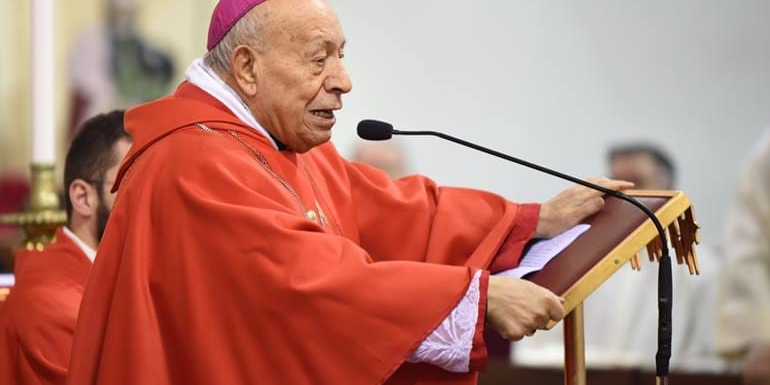
ANTONIO CANTISANI, IL PRETE E IL VESCOVO, A QUATTRO ANNI DALLA MORTE


Ieri sono stati quattro anni dalla scomparsa di Antonio Cantisani, il Vescovo-Prete che ha servito con rigore di fede e dirittura morale la Chiesa, che Lui chiamava “la mia sposa”. Che bel prete e che bel Vescovo è stato Antonio,! Un Vescovo, che ha lasciato un’impronta indelebile non solo nelle due diocesi di Catanzaro e Squillace, ma in tutta la Chiesa di Roma. Un vescovo colto, raffinato, dal pensiero illuminato dalla fede. Oratore sincero e intenso, dalla parola nutrita e ricca e affascinante, dalla gestualità coinvolgente, vibrante nei ton, nella voce e negli accenti di profonda umanità. Un prete, Egli è stato, sempre disponibile aperto, per l’umiltà che ha accompagnato il suo servizio parolaie e per la affettuosità e semplicità, con le quali si portava alla gente. Era Lui a portarsi verso le persone e non ieraticamente ad aspettarle assiso sul trono Episcopale, come molti fanno. Cantisani, uomo dalla profonda laicità, con la quale sapeva distinguere, e senza fanatismi, ciò che era della religione da ciò che era di quel mondo nel quale vivono tante più persone. Persone, che si interrogano sulle grandi questioni dell’esistenza umana. E sul futuro di questo mondo che ha perso progressivamente sia i principi di fede sia quelli prettamente umani, divenendo un luogo davvero difficile da viverci per un uomo davvero sempre più confuso. E debole. È tanto vero questo, tanto presente in Lui, che mi viene da dire che la forza principale di Cantisani stesse proprio in quella sua capacità laica di operare nella società. In essa portando la sua fede e la sua capacità di spiegare il valore della stessa verso una religione, che reca con sé lo strumento più bello che possa esserci in qualsiasi altra credenza, il Vangelo. Cantisani era il miglior predicatore del Vangelo. Il “ missionario”, che te lo sapeva spiegare parola per parola, attualizzandolo alla vita comune degli uomini e della società. Te lo faceva sentire, il Vangelo, come un vademecum per il cammino umano. Di tutti gli esseri umani. Una guida per chi volesse, anzi per tutti i colori quali fossero e sono obbligati, dalla propria natura umana, essenzialmente buona, a guardare al Bene, perseguendolo in ogni atto e in ogni azione quotidiana. Il Bene non per sé, ma per gli altri. E cos’è il Bene, che dal Vangelo Cantisani indica a tutti gli uomini? È quello della della Pace da costruire attraverso i tre fondamentali principi, l’eguaglianza, la giustizia, la carità. La carità, in particolare, quale veicolo sicuro per realizzare i primi due. Non ci sarà la Pace, diceva Antoniuzzu bellu, senza la pratica realizzazione di questi principi. Che lui spiegava ancora più dettagliatamente, quando affermava che giustizia significa ricchezza per tutti, assenza non soltanto dei poveri, ma della povertà. Eguaglianza, che tutti gli esseri umani sono uguali per legge naturale, qui la laicità, e per volontà di Dio, creatore della vita. Essere uguali significa che tutti, nessuno escluso, hanno diritto al lavoro, alla propria terra nel proprio libero Stato. Tutti hanno diritto a vivere nell’unica Terra, il mondo, che è di ogni essere umano. In particolare, di coloro i quali, per qualsiasi regione, di più per la necessità di vivere, si spostano dal proprio luogo per raggiungere altre terre, dal proprio paese per raggiungere altri paesi. Per questo motivo monsignore Cantisani si può definire, e i numerosi interventi e scritti lo dimostrano come le battaglie compiute in nome della giustizia, una delle prime personalità che ha avuto il coraggio di porre all’attenzione e della Chiesa e delle istituzioni, la questione migranti. A quanti, specialmente uomini e donne di governo, ancora oggi parlano dei migranti, o degli immigrati, come fossero degli individui senza dignità, e non persone stracariche di bellezza, occorrerebbe venissero “punite” obbligandoli a studiare i suoi testi. E poco importa se taluni siano talmente ignoranti e chiusi all’apprendimento, che non saprebbero capirne nulla. Antonio Cantisani è stato il prete prima e il vescovo dopo, della Chiesa aperta. Quella che fuori dalle sacrestie deve andare a cercare i più deboli, gli emarginati, i poveri di tutto. E anche colori quali, specialmente nella nostra Città, hanno cambiato condizione sociale e nascondono, per orgoglio e “virgogna”, la loro condizione di intervenuta povertà. Cantisani sorprendeva per la continua crescita culturale, che in Lui non si arrestava neppure nell’avanzata età e nella malattia che negli ultimi anni l’hanno fortemente disturbata. Mai ha smesso di studiare, soprattutto il suo Cassiodoro. Mai ha smesso di parlare e sempre con quel corpo minuto che s’agitava nel dire le cose che uscivano dal profondo del suo cuore e dalla sconfinata mente. Mente interrogante e ricercatrice sempre del bello, del vero, del giusto. Su questi principi Egli mentre insegnava, come i veri maestri interrogava se stesso, mettendosi sempre in discussione e mettendosi sempre in cammino alla ricerca della verità. Fino alla fine dei suoi giorni. Di lui potrei scrivere ancora migliaia di parole. Ma mi fermo qui. E perché di queste ne ho scritte e dette molte in questi ultimi quattro anni, e perché finirei con l’appesantire questo testo. E poi, chi non conosce, e più di me, Antonio Cantisani! I giovani che non lo hanno potuto “ incontrare”, dovranno sapere di Lui. Bisognerebbe che nelle parrocchie, e anche nelle scuole, in qualche modo se ne parlasse. Un Cantisani ben rappresentato, sarebbe ancora per tutti il migliore dei maestri. Oggi ne parlo, e con una sofferenza ininterrotta, non perché mi manchi l’amico, il padre, il maestro, che egli è stato per me. Questo è assodato. Ne parlo perché sento che la sua assenza, unitamente a quella di grandi uomini, che ci hanno lasciato anche di recente, pesa come un macigno sulla Città. Catanzaro è sempre più povera. Di tutto. Non solo economicamente. È povera sul piano culturale e morale. È povera per la mancanza di punti di riferimento. In particolare nel mondo della cultura e della Politica, come nelle istituzioni. Mancano figure alte, culturalmente e moralmente, che possano rappresentare una guida per questo incerto cammino e una luce sulle strade sempre più insicure e buie. Mancano una forze, cui aggrapparsi, individualmente e collettivamente, nelle difficoltà esistenziali che questa nostra Città ha progressivamente aggravato. Antonio Cantisani, l’illuminato, il Cristiano, il laico pensoso, l’uomo umile e “servile“, il catanzarese più catanzarese di tutti noi, ci manca. Tantissimo. E nel pensarlo ci prende il pianto della nostalgia. E il brivido sulla pelle per il vuoto che ha lasciato.
Franco Cimino