












Piatti tipici


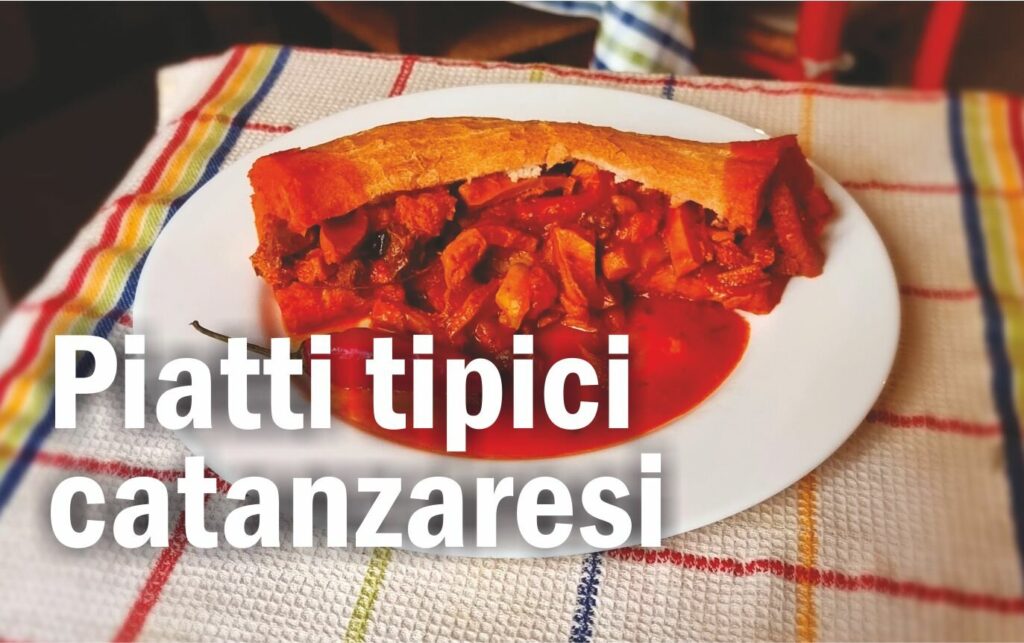
La tradizione gastronomica del Capoluogo calabrese presenta piatti originali e gustosi. Senza ombra di dubbio il piatto tipico che per eccellenza viene associato alla città di Catanzaro è il “morzello”, un appetitoso spezzatino di interiora di vitello.
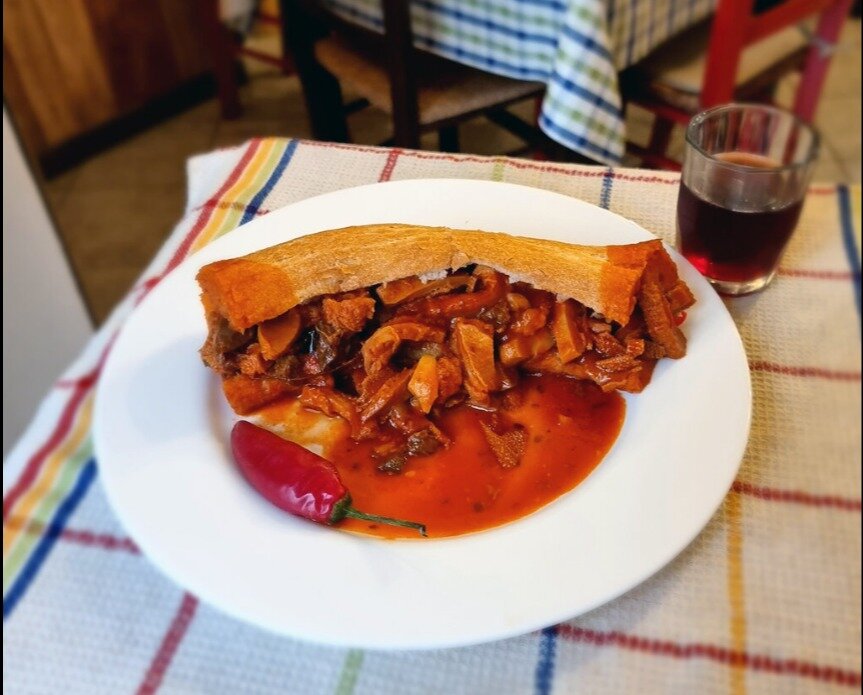
’U MORZEDDHU
In italiano il morzello. Per pronunciarne esattamente il nome in dialetto catanzarese, basta rivolgere la lingua verso il palato ottenendo così quel suono un po’ aspro, caratteristico dell’elemento “ddhu” posto alla fine di moltissime parole del nostro vernacolo. Questo gustosissimo piatto è così celebre che si è guadagnato l’appellativo di “Illustrissimo” ed esiste addirittura una scuola ad esso dedicata, curata dall’associazione “Antica Congrega Tre Colli” (vedi box) che insegna alle nuove generazioni come preparare questa gustosa pietanza secondo antica tradizione. ‘U Morzeddhu è una pietanza che ha “la vocazione” dello street-food, tanto che In città l’opinione prevalente è che il “vero catanzarese” prediliga gustare il morzello nella pitta (un tipo di pane a forma di grande anello, anche questo caratteristico della città), da mangiare rigorosamente con le mani, e con il sugo che scola “gargi-gargi” (letteralmente: dagli angoli della bocca), come si suole dire, facendo quei “piccoli morsi” che probabilmente ne hanno anche propiziato il nome. Questa, infatti, è una delle tante tesi sull’etimologia del termine, che rimane comunque incerta visto che sulla nascita del morzello si sono susseguite numerose leggende. Tra le più note, c’è quella ideata dal poeta Achille Curcio, il quale racconta di una donna molto povera di nome “Chicchina”, rimasta vedova e con due figli, che lavorava come serva per le famiglie benestanti di Catanzaro. Nel periodo natalizio aveva anche il compito di ripulire il cortile dagli scarti provenienti dagli animali che li venivano macellati e le cui parti pregiate finivano nei banchetti dei ricchi padroni. Un dì, rimuginò sul perché dovesse buttar via quegli scarti e decise di portarli a casa, e dopo averli lavati con cura, li tagliò in piccoli pezzi li fece bollire in un pentolone e preparò un pasto per sfamare le sue creature. Nei primi del secolo scorso il morzello raggiunse il massimo della popolarità. Nacquero infatti tante piccole osterie dette putiche che accoglievano i viandanti e i mercanti che arrivavano in città, e nelle quali veniva proposto questo piatto tipico, da accompagnare a un vino locale e alla “gazzosa” e da mangiare preferibilmente nelle prime ore della mattina.
Di seguito la ricetta originale del morzello, tratta dal Regolamento d’Uso registrato presso l’UIBM, di esclusiva titolarità dell’Associazione Antica Congrega Tre Colli di Catanzaro.
Ingredienti per 4 persone:
• Trippa 1,5 Kg: Abomaso (c.d. quagghiaru), Omaso (c.d. centupezzi), Reticolo (c.d. cuffia), Rumine (c.d. trippa liscia); • Milza 200 gr.; • Polmone 200 gr.; • Cuore (parte superiore – c.d. delicata) 300 gr.; • Intestino (crasso e cieco) 200 gr.; • Grasso vaccino (renale o cardiaco) 150 gr.; • Animelle (ghiandole salivari) 100 gr.; • Esofago 200 gr.; • Trachea 100 gr.; • Concentrato di pomodoro 600 gr.; • Concentrato di peperoni (2 cucchiai da tavola); • Peperoncini piccanti; • Origano (un mazzetto); • Alloro secco; • Sale (q.b.).
PROCEDIMENTO:
Prevede quattro fasi: A) Lavaggio, B) Precottura, C) Taglio, D) Cottura finale.
A) Lavaggio: • Premettendo la dovuta attenzione al fine di una igiene maniacale, si distingue il lavaggio separato dei diversi ingredienti (interiora), secondo i gruppi e il modo che segue: • per quanto riguarda l’omaso, il reticolo e il rumine, occorre che siano sciacquati, frizionati con sale e limone, lasciati in acqua in ammollo per due ore e infine risciacquati; • l’abomaso e l’intestino devono essere sciacquati e lasciati in ammollo con acqua sale e limone per tre ore, quindi risciacquati; • le frattaglie rimanenti (milza, polmone, cuore, animelle, esofago e trachea) devono essere lasciate in acqua in ammollo per un’ora, al fine di eliminare l’effetto del sanguinamento residuo. Per facilitare il termine del sanguinamento è consigliabile, prima dell’ammollo, tagliare grossolanamente il cuore, il polmone e la milza. L’esofago, prima del suddetto ammollo, deve essere tagliato longitudinalmente, privato della membrana interna e sciacquato.
B) Precottura: Anche questa fase viene divisa in base ai diversi ingredienti. • L’omaso, il reticolo e il rumine, dopo un primo taglio grossolano, con l’aggiunta di 2/3 foglie di alloro, vengono messi a cottura per 15 minuti dall’ebollizione. L’acqua di cottura si lascia raffreddare, per raccogliere il grasso condensato in superficie. • L’abomaso e l’intestino, insieme a 2/3 foglie di alloro, vengono messi a cottura per 5 minuti dall’ebollizione; entrambi a fine precottura, devono essere sciacquati accuratamente. – La milza, isolatamente per evitare discurire gli altri ingredienti, con l’aggiunta di una foglia di alloro deve essere sbollentata per due volte, avendo cura di cambiare l’acqua e, di seguito, sciacquata. – Tutte le rimanenti frattaglie (ad eccezione del polmone di cui si dirà subito dopo) devono essere precotte insieme per 5 minuti dall’ebollizione; il polmone, invece, necessita di ulteriori 10 minuti di precottura; di seguito, anch’esse devono essere risciacquate. C) Taglio: Si procede al taglio dell’omaso, del rumine e del reticolo, i quali vengono ridotti in pezzi di circa cm. 4×1. La trachea rimane intera. Tutti gli altri ingredienti rimanenti devono essere tagliati in pezzi di circa cm. 1×1. D) Cottura finale: Premessa: durante l’ultima fase della cottura finale, quindi al contempo ed a parte, si prepara a fuoco spento il “sugo”, unendo il concentrato di pomodoro, il concentrato di peperoni e una quantità di acqua tiepida, in modo da creare un composto non troppo denso, né troppo liquido. Questa miscela, così formata, si verserà a tempo dovuto in una pentola (di cui al comma successivo) con tutte le parti (con esclusione della milza) appena soffritte.Ritornando alla cottura finale, quindi dopo il taglio, occorre versare in una pentola di adeguate dimensioni tutti gli ingredienti tagliati, includendo il grasso residuo dell’acqua di cottura della trippa e la porzione di grasso (renale o cardiaco). Quindi, il tutto si fa soffriggere per pochi minuti. A questo punto,si aggiunge nella suddetta pentola: il “sugo” preparato a parte ed indicato nella premessa, l’alloro (4/5 foglie), il sale (in quantità adeguata) e un fascio di origano, che serve anche per rimestare ripetutamente il contenuto della pentola, a mò di cucchiaio. Il tutto si lascia cuocere a fuoco lento per 4/5 ore. La milza verrà aggiunta nella pentola, quindi insieme al resto degli ingredienti, 15 minuti prima della fine della cottura complessiva. La trachea si può togliere a fine cottura, o prima che si scomponga, insieme alla porzione di grasso (renale o cardiaco) residua che non si è sciolta. Prima di procedere a servire caldissimo il “morzello” così cotto, si aggiunge qualche peperoncino piccante fresco. Il “morzello” deve essere servito nella tradizionale pitta, i cui pezzi, della lunghezza di circa 18/20 cm., vengono prima tagliati a libretto ed imbevuti di sugo alle due estremità.

L' ANTICA CONGREGA TRE COLLI
è un’associazione che ha tra i suoi scopi, la valorizzazione delle tradizioni “culturali” della città di Catanzaro, con particolare riferimento al piatto principe della cucina catanzarese: il morzello. Il sodalizio, che conta oggi oltre ottanta associati, tra le tappe più salienti annovera nel 2015, la partecipazione a Expo Milano e al programma televisivo “Unti e bisunti” con lo Chef Rubio. Come ultima attività si menziona l’apposizione, nel settembre del 2021, di una targa di marmo, celebrativa del suddetto piatto, con su inciso “Ruga d’o morzeddhu”, in vico I Piazza Roma. Oggi, il nuovo impegno è rappresentato dalla Prima Edizione della Scuola di “Morzello”, il cui scopo non è solo quello di “insegnare” le modalità preparatorie, ma anche di non fare disperdere un’antica tradizione e all’importanza storica di questa pietanza. Non è un caso che Catanzaro, pur essendo nota come la città delle tre “V” (Vento, Vitaliano e Velluti), alla fine dell’800 il poeta Giovanni Sinatora indicava tra gli elementi di identificazione di questa città, anche “l’illustrissimo morzello”. www.anticacongregatrecolli.it
Il “primo piatto” per eccellenza è un must per tutte le occasioni: la classica pasta al forno con vari ingredienti, fra cui le polpettine di carne.
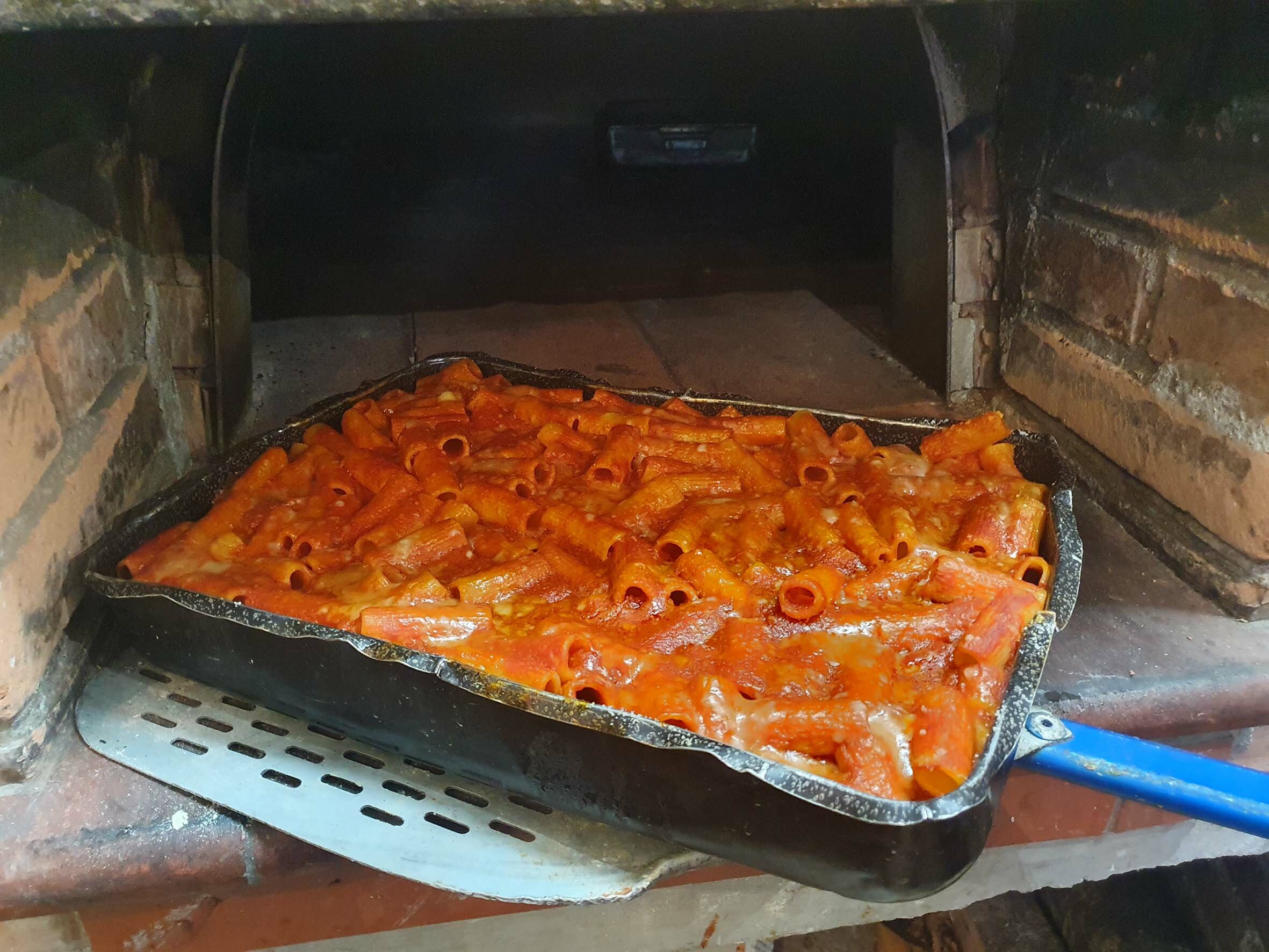
‘A PASTA CHJINA
Ingredienti per 6 persone:
• 500 gr. di penne lisce o rigatoni • 1,5 ml di passata di pomodoro • 200 gr. di soppressata calabrese • 2 uova sode • 200 gr. di provola o di caciocavallo silano • 100 gr. di pecorino calabrese o parmigiano grattugiato • 1/2 cipolla di Tropea • sale • basilico • polpettine di carne; Ingredienti: • 200 gr. di carne tritata • 1 uovo • 100 gr. di pane casereccio secco • 1 cucchiaio di parmigiano • prezzemolo • aglio • sale • olio per friggere.
PROCEDIMENTO:
Per prima cosa fate un bel sugo di pomodoro. Preparate quindi le polpettine mettendo in una ciotola la carne tritata, il pane ammollato e ben strizzato, l’uovo, il formaggio grattugiato, il prezzemolo e l’aglio. Impastate fino ad ottenere un composto morbido e non appiccicoso e formate le polpettine, cercando di farle più piccole possibile. Per friggere le polpettine è sicuramente comoda una friggitrice, in mancanza usate una grande pentola a bordi alti con olio bollente. Adagiatele pian piano, senza buttarle dentro, altrimenti si rischia di bruciarsi, una alla volta e poche per volta, nella pentola non devono essere sovrapposte. Toglietele appena dorate, fatele sgocciolare e mettetele da parte. Fate cuocere la pasta in abbondante acqua salata, scolatela al dente e, nella stessa pentola versateci il sugo di pomodoro, mescolate, aggiungete le polpettine, la provola o il caciocavallo a pezzetti, la soppressata tagliata a cubetti, le uova sode affettate e del formaggio grattugiato. Versate il tutto in una pirofila, spolverate di altro formaggio e passate in forno a 200 gradi per 1/4 d’ora circa, finché avrà fatto una crosticina dorata.
Un secondo piatto tipicamente catanzarese, consumato soprattutto nel giorno di Pasqua è una pietanza a base di carne di capretto, con patate, piselli e carciofi, il tutto cotto al forno, in particolari tegami di terracotta, da cui prende il nome.
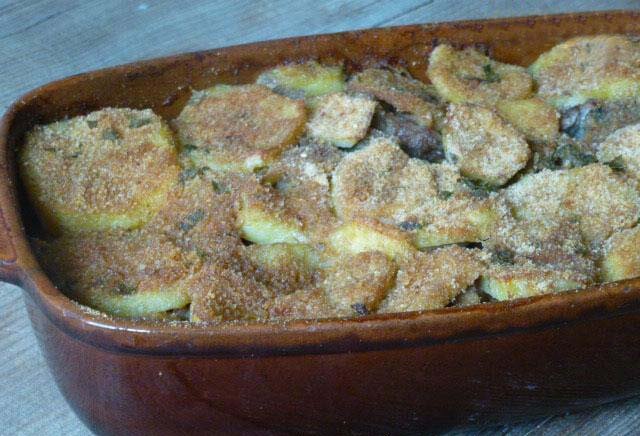
‘A TIANA
Ingredienti per 4 persone:
• 800 gr. di capretto tagliato in pezzi • 4 carciofi • 4 patate • 200 gr. di piselli • 1 spicchio d’aglio • una manciata di pan grattato • una manciata di pecorino grattugiato • olio di oliva • rosmarino • origano • prezzemolo • sale • pepe macinato.
PROCEDIMENTO:
Dopo aver sciacquato i pezzi di agnello in acqua fredda e aceto, scolati e asciugati per bene con un panno, metteteli in un tegame con un filo di olio di oliva e rosolateli a fuoco vivo per un paio di minuti, spegnete e mettete da parte. Dopo aver fatto bollire, in acqua leggermente salata, per tre minuti le patate che avete prima pelato e tagliato a spicchi, scolatele, passatele sotto l’acqua fredda e tenetele da parte. Pulite i carciofi, tagliateli a metà e fateli rosolare per due/tre minuti in un tegame con un filo d’olio, uno spicchio di aglio, il prezzemolo tritato, e sale. Lessate i piselli per 5 minuti in acqua appena salata, scolateli e metteteli da parte. Per la gratinatura finale, mescolate il pan grattato con il formaggio grattugiato ed un paio di cucchiai di olio extravergine. Versate tutto quello che avete preparato possibilmente in un tegame in coccio. Regolate di sale e pepe, un pizzico di origano e un rametto di rosmarino e mescola. Cuocete in forno a 180 gradi per 30 minuti, mescolando ancora il tutto a metà cottura. Trascorsi i trenta minuti, estraete il tegame dal forno e ricoprite con la panura. Terminate la cottura per altri 10 minuti alzando la temperatura a 200 gradi.
Altro piatto tipico sono i “vermituri” (lumache di terra), il cui consumo, un tempo, era destinato alle classi meno abbienti, mentre oggi acquistarle è diventato proibitivo.
Per estrarle dal guscio si utilizza uno stuzzicadenti o una apposita forchettina a due denti, mentre legato alla tradizione è il metodo dell’uso di un chiodo ben appuntito.
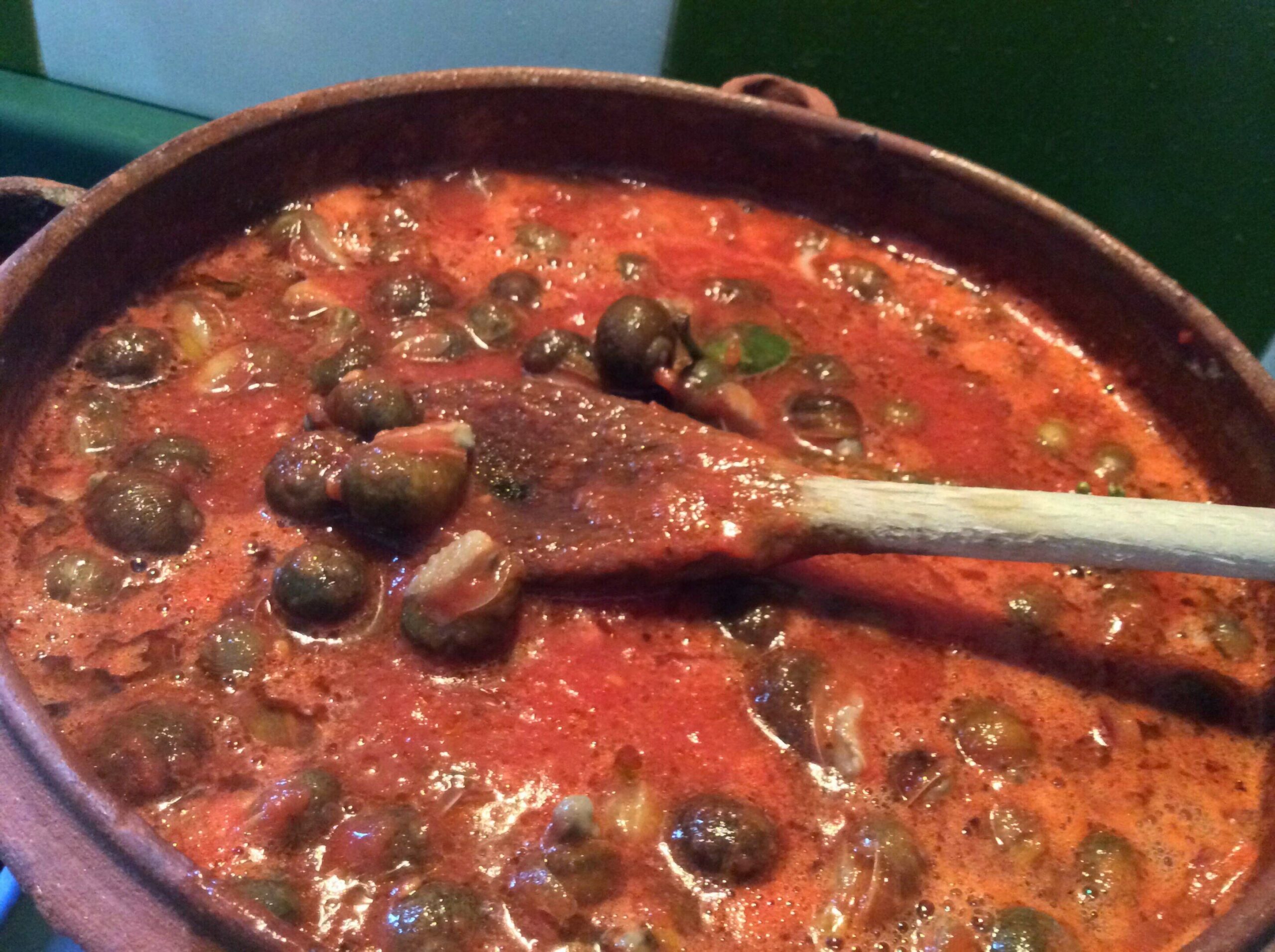
I VERMITURI
Ingredienti per 4 persone:
•1 Kg. di lumache vive • 1 cipolla • olio extravergine d’oliva • 1 spicchio d’aglio • origano • 1 peperoncino • 1 Kg. di pelati o passata di pomodoro • sale.
PROCEDIMENTO:
Le lumache vanno spurgate (esistono però in commercio quelle già spurgate), adagiandole vive in un contenitore col coperchio, con insalata e mollica di pane bagnata o crusca e lasciarle per almeno due giorni. Prima di cucinarle, sciacquatele per bene in acqua e sale e ripetere l’operazione varie volte, finché non faranno più schiuma. Poco prima che vada in ebollizione l’acqua che avete messo in una pentola, buttateci dentro le lumache e fatele sbollentare per circa 20/25 minuti. Scolatele, sciacquarle sotto acqua fredda e lasciarle da parte. Fate rosolare bene in una pentola l’olio, l’aglio, la cipolla e il peperoncino e versate la passata di pomodoro (o i pelati), salate, unite l’origano, portate a bollore e lasciate insaporire una decina di minuti prima di aggiungere le lumache. Fate cuocere almeno per un paio d’ore, eventualmente aggiungendo dell’acqua calda se il sugo si ritira troppo. Più cuoceranno e più saranno saporite!

IL PESCE
Se cercate un posto dove poter gustare le pietanze descritte nelle pagine precedenti, a Catanzaro avrete l’imbarazzo della scelta. Si va infatti, dalla trattoria tipica familiare, al ristorante stellato, passando dalle paninerie (sono presenti anche i famosi brand) fino alle pizzerie.
Nella zona costiera è possibile gustare pietanze a base di pesce freschissimo, in base al pescato del giorno.
Se siete amanti di questo tipo di piatto, provate a chiedere di farvi mangiare i “surici”, nome dialettale con cui viene chiamato il pregiatissimo pesce pettine (o pettinissa). La sua peculiarità è caratterizzata da una carne bianchissima, molto delicata e gustosa, che si assapora al meglio se fritta. Questa specie ittica non è molto comune lungo le coste italiane ed anche nella stessa Calabria non lo si trova in tutte le zone.